
Italian Hiking Trails: A Guide to the Most Beautiful Hiking Routes in Italy
Editorial Staff Hotiday· 8 Reading time: min
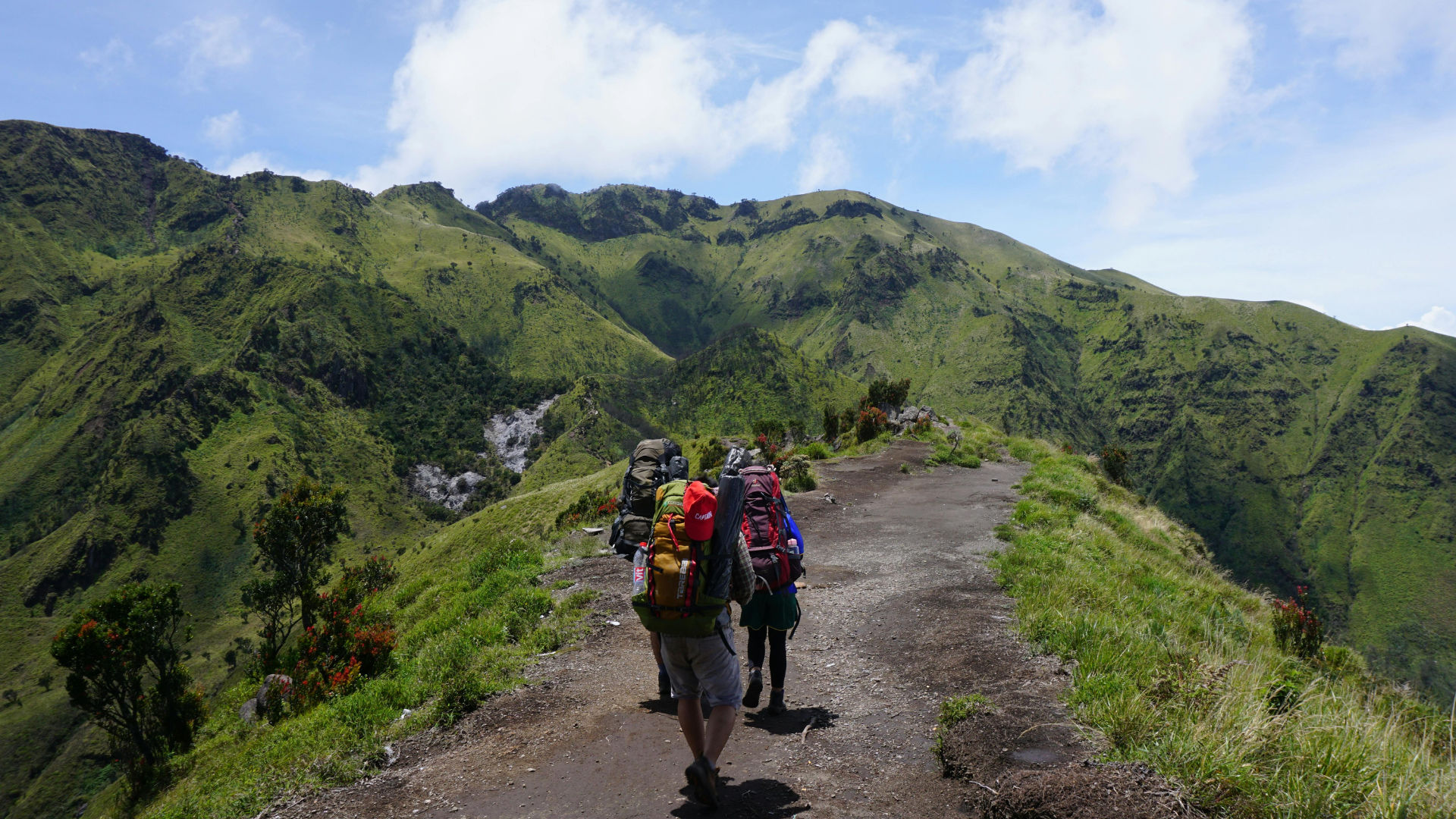
Italian walking trails are more than just routes—they’re transformative experiences. Whether you’re looking for a physical challenge, a spiritual journey, or simply a break from your routine, there’s a walking trail in Italy that’s perfect for you. From the great classics like the Via Francigena to the less-traveled paths, this guide will help you find your way.
Book your stay at Rome
Best Price Guarantee on Accommodations Hotiday
Italian trails are walking routes—some dating back to ancient times, others more recently established—that crisscross the country, passing through natural landscapes, historic centers, religious sites, and places of cultural interest.
Many date back to the Middle Ages and were once traveled by pilgrims, merchants, or armies. Today, they are frequented by travelers of all kinds: families, couples, people seeking solitude or companionship, adventurers, and nature lovers.
Italy has everything it needs to compete with Europe’s top hiking destinations: a variety of landscapes, an immense historical and artistic heritage, local cuisine at every stop, and widespread hospitality. Italian hiking trails capture all of this and transform it into a firsthand experience.
The Physical and Mental Benefits of Hiking in Italy
Walking for several consecutive days has tangible effects on both the body and the mind. Physically, it improves endurance, helps you get used to sustained exertion, and helps you regain a more regular rhythm. But it is the mental aspect, above all, that makes the difference.
Walking naturally leads to simplification: distractions are reduced, and attention is focused on a few repeated actions (setting out, arriving, resting), which fosters a sense of greater clarity and lightness. There’s no need to search for a specific meaning—often, simply walking for a few days is enough to sense a change in the way you experience time.
What are the most beautiful and popular hiking trails in Italy?
There is a wealth of options. Here is an overview of the most notable hiking trails in Italy, organized by type.
The Sentiero Italia: How Long Is It and How Many Stages Does It Have?
The Sentiero Italia is the longest hiking trail in Europe. It crosses the peninsula from Sicily to Friuli-Venezia Giulia, spanning over 7,200 kilometers and more than 400 stages, and is managed by the Italian Alpine Club.
Landscapes of every kind: the Alps, the Apennines, the forests of the south, and islands.
It takes about a year to hike the entire trail, but most hikers choose one or more sections, depending on the season and the time they have available.
Religious Pilgrimage Routes: Via Francigena, the Way of St. Francis, and the Way of St. Benedict
Italy's religious pilgrimage routes are among the oldest and most popular. Three of them, in particular, deserve special mention.
Via Francigena: the pilgrim’s route par excellence, traveled since the Early Middle Ages by those making their way to Rome. In Italy, it runs from Aosta to Rome, with a branch route extending to Brindisi, covering approximately 1,000 kilometers.
The most beautiful stretches are those in Tuscany, between Siena and Monte Amiata, and those in Lazio just before Rome, where the pilgrim’s anticipation of reaching the destination becomes almost palpable. To find out where to stay along the route, check out the accommodations selected by Hotiday in destinations along the Via Francigena.
The Way of St. Francis: It connects Assisi to Rome through Umbria and Lazio, passing through sites associated with the saint’s life. The two main routes cover approximately 550 kilometers and are also suitable for first-time hikers.
The Way of St. Benedict: It follows in the footsteps of St. Benedict of Norcia, the patron saint of Europe, from Norcia to Montecassino. About 300 kilometers through Umbria and Lazio.
The Trail of the Silent Villages and the Brigands' Trail: Where They Are Located
The Path of the Silent Villages: It winds through Umbria, passing through small medieval villages overlooked by mass tourism—often semi-abandoned but steeped in history. About130 km long, it’s a short journey but one that leaves a lasting impression.
The Brigands' Trail: It winds through Abruzzo and Lazio, in the Marsica and Cicolano mountains. It connects Filettino (FR) to Cappadocia (AQ) over approximately 140 km and 8 stages, retracing the ancient trails used by 19th-century brigands to cross state borders. Wild, off the beaten path, with breathtaking views.
The Path of the Gods: Stages, Length, and Best Time to Visit
The Cammino degli Dei connects Bologna to Florence through the Tuscan-Emilian Apennines, following ancient Etruscan and Roman routes. Six stages, 130 kilometers, and ever-changing landscapes: Apennine ridges, beech forests, medieval villages, and views stretching from the Po Valley all the way to Tuscany.
The best time to hike the Via degli Dei is in late spring (May–June) orearly fall (September–October), when temperatures are mild and the light is perfect. Hiking in winter is not recommended: the higher elevations can be snowy and slippery.
Italian Hiking Trails by Season: When to Go and Which One to Choose
Summer is the busiest season, but the heat makes trails in the plains and low hills particularly challenging during the middle of the day. The best routes in July and August are those at high altitudes along the Alpine section of the Sentiero Italia, the trails in the north such as the Aosta Valley and the Dolomites, and the coastal stretches, which are best hiked in the early morning or late afternoon.
Fall is one of the most beautiful seasons for hiking in Italy. Temperatures drop, the colors of the foliage reach their peak, and the trails are less crowded. November is the favorite month for many experienced hikers: mountain huts and lodging are available, prices are more affordable, and the silence along the trails is almost complete. Highly recommended routes during this time include the Via Francigena in Tuscany, the Way of St. Francis, and the Apennine trails in central Italy.
Italian Coastal Trails
Several trails run along the coast or near the sea, offering the chance to combine the experience of hiking with that of the seascape. Among the best known are:
- The Salento Trail (Puglia): Among Centuries-Old Olive Trees, Lecce’s Baroque Architecture, and Crystal-Clear Waters
- The Anglona Trail (Sardinia): Through the Hills of the Sassari Area, with Views of the Tyrrhenian Sea
- Alta Via dei Monti Liguri (Liguria): along the Apennine ridge, with the Ligurian Sea always on the horizon
- The 100 Towers Trail (Sardinia): the quintessential coastal trail, it follows the island’s ancient watchtowers
Find your accommodation in Rome
Explore the " Hotiday " locations on the map
How to Choose the Right Path to Get Started: Tips for Beginners
For those new to Italian hiking trails, choosing the right route is crucial. Starting with a route that’s too challenging can ruin what would otherwise be a memorable experience. Here are some helpful guidelines:
- Choose shorter trips, lasting about 5–7 days
- Choose routes with moderate elevation gains, under 600 meters
- choose trails with a well-established network of lodging options along the route
- Choose well-marked routes, such as the Via Francigena or the Cammino degli Dei
- Avoid the summer months for your first experience, when the heat adds a variable that’s hard to manage
The best routes for beginners are the Way of St. Francis, the Via Francigena in Tuscany, and the Way of the Gods.
How to Prepare Physically and What You Need to Tackle Italy's Hiking Trails
You don’t need to train like an athlete, but a few weeks of preparation—walking regularly, starting from 5–6 kilometers a day and gradually increasing the distance—makes a real difference. For longer Italian trails, such as the Via Francigena, the goal is to be able to walk at least 20 kilometers in a single outing before setting out.
Essential gear:
- broken-in hiking boots —never brand-new on the first day
- a 30- to 40-liter backpack, with a total weight not exceeding 10 kg
- telescopic poles for downhill sections
- layered clothing and a waterproof jacket
- Foot care kit: Blisters are the main reason people drop out of the race
- pilgrim's credential for religious pilgrimage routes
- offline navigation apps such as Komoot or Wikiloc
How to Plan a Hiking Trip: Planning and Hiking Companions
Planning a hiking trip requires a little more attention than a traditional vacation, but less than you might think. The key steps: decide on the route and the time of year, set your daily stops, book accommodations in advance—especially during peak season—and arrange transportation to and from the starting and ending points of the trip.
To find travel companions, the most useful resources are dedicated social media groups, the "Turismo del Cammino" forums, and apps like Komoot and Wikiloc, where you can connect with other travelers planning the same routes.
To choose accommodations along Italian hiking trails, check out the selection at Hotiday: verified rooms and guaranteed quality standards.

Italian walking trails are among the most well-rounded travel experiences this country has to offer. Nature, history, spirituality, cuisine, and encounters with local people come together at every stop, in a balance that few other itineraries can match.
Whether it's your first trip or a return visit, there's always one thing that makes all the difference: finding the right place to stay and start the next day.
Hotiday It selects high-quality accommodations in Italy’s top destinations, with verified rooms and guaranteed standards. Book your ideal accommodation at Hotiday and enjoy each leg of your journey with the confidence that your destination will live up to your expectations.
Find the perfect destination for you
Enter your destination, dates, and number of guests: we'll take you straight to the available accommodations.