
Boutique Hotels: What They Are and What Sets Them Apart from Traditional Hotels
Editorial Staff Hotiday· 4 Reading time: min
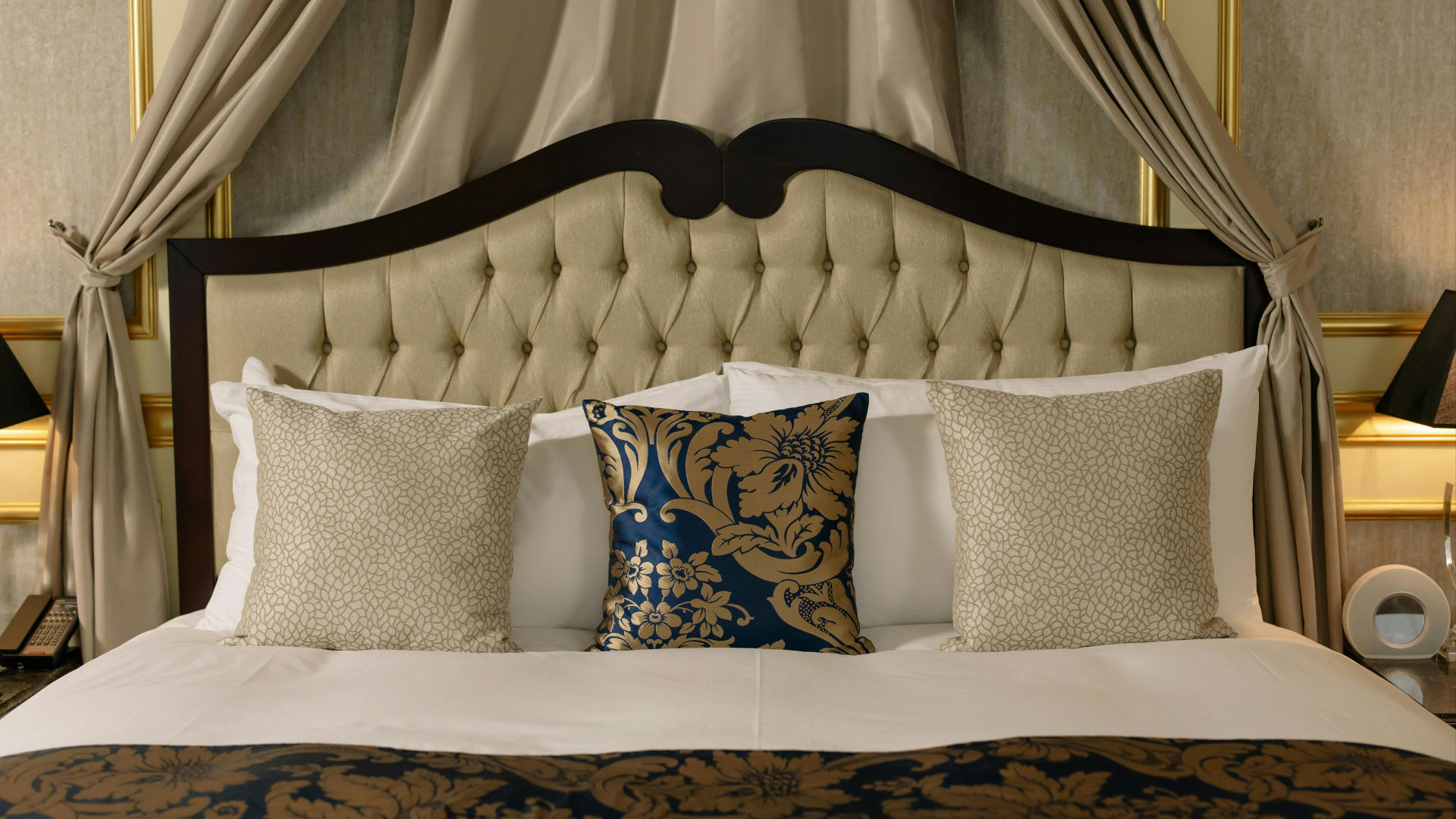
In recent years, the concept of the boutique hotel has become increasingly widespread, becoming synonymous with refined stays, sophisticated settings, and attention to detail. But what does this term really mean? And what sets a boutique hotel apart from a traditional hotel? Understanding this is helpful not only for making a more informed choice but also for finding accommodations that better align with your travel style.
What is a boutique hotel?
A boutique hotel is a small-scale lodging facility characterized by a distinctive style, an intimate atmosphere, and a strong focus on the guest experience.
Unlike standardized hotels, every boutique hotel has its own identity, often tied to its design, the local area, or a specific concept.
Why is it called a boutique hotel?
The term comes from the world of fashion. “Boutique” refers to an exclusive place, with attention to detail and a non-mass-market feel. When applied to the hotel industry, it describes establishments that offer a more personalized experience than large hotels.
Boutique Hotels vs. Traditional Hotels: The Main Differences
The difference between a boutique hotel and a traditional hotel isn't just a matter of size, but above all, the approach to the guest experience.
A boutique hotel stands out for:
- unique and recognizable design
- limited number of rooms
- a more personalized experience
- a strong identity linked to the concept or the region
A traditional hotel, on the other hand, is generally characterized by:
- more standardized environments
- greater capacity
- more consistent services
- less customization of the experience
In a boutique hotel, the focus is on the quality of the stay and the atmosphere, rather than on the number of amenities.
Boutique Hotels and Charming Hotels: What's Changed
The term “boutique hotel” is often associated with “charming hotels” or “lifestyle hotels,” but they are not exactly the same thing.
A charming hotel focuses primarily on atmosphere and elegance, while a boutique hotel is characterized by a more defined and contemporary concept. Lifestyle hotels, on the other hand, are often geared toward a specific audience or a particular lifestyle.
Boutique hotels and relais: What's the difference?
A relais is generally an establishment located in historic or natural settings, often with a more traditional feel.
Boutique hotels, on the other hand, can be found both in cities and in tourist destinations and tend to have a more modern, design-oriented identity focused on style and the guest experience.

Boutique Hotels: Key Features
A boutique hotel can be recognized by certain recurring elements.
Among the most important:
- limited number of rooms
- refined and distinctive design
- cozy spaces
- great attention to detail
- more personalized service
These aspects help create a more immersive experience than a traditional venue.
Boutique hotels: What kind of experience do they offer?
Staying at a boutique hotel means enjoying a more intimate and less standardized experience. The goal is not just to offer a place to sleep, but to create a cohesive and distinctive atmosphere.
Attention to detail—from the choice of furnishings to the quality of services—helps make every stay more personal and memorable.
Boutique Hotels: Size, Star Ratings, and Amenities
There is no official classification for boutique hotels, but they do share some common characteristics.
Generally:
- They have a limited number of rooms (often fewer than 50)
- are in the mid-to-high price range
- They offer attentive service, although it is not always as extensive as in large hotels
Perceived quality is often more important than the quantity of available services.
Boutique Hotels in Italy: Where to Find Them
Boutique hotels are found mainly in major tourist destinations and cities of art.
Milan offers more urban and contemporary options, while in Tuscany it is easier to find accommodations nestled in the countryside, often housed in renovated historic buildings.
Many of these destinations are also among the areas covered by Hotiday, which features a variety of locations—from beach resorts and cities to more laid-back settings. You can explore all the available locations in the “Destinations” section at Hotiday.
How to Find a Boutique Hotel That's Right for Your Trip
Choosing a boutique hotel means looking for a place that reflects your own style of travel. Whether it’s a city getaway or a more relaxed break, the key is to find a balance between comfort, atmosphere, and location.
Hotiday It selects rooms in accommodations that share this commitment to quality and the guest experience, in more than 100 destinations, including coastal areas, lakeside locations, mountain resorts, and cities.
A boutique hotel isn't just a type of establishment—it's a different way to experience your stay. It's more attentive to detail, more personalized, and less standardized.
And when it comes to finding solutions that reflect this approach, Hotiday it offers rooms in a variety of accommodations, from large hotels to boutique hotels, always providing the perfect starting point for making a more informed choice.